







Sea, Road or Rail from Türkiye to Europe: Choosing the Right Mode
Between Türkiye and Europe you have three serious options: short-sea container services, international road freight and intermodal rail. Each one wins in a different situation, and most freight budgets leak money because the mode was chosen by habit rather than by profile. Here is how I match them in real programs.
What each mode is actually good at
Road is the default for Türkiye to Europe trade and for good reason: door-to-door in roughly one week to Central Europe, flexible pickup dates and no port handling. Its weaknesses are driver and permit capacity in peak season, and a cost per ton that rises quickly for heavy cargo.
Short-sea container services from Turkish ports to Mediterranean and Northern European hubs cost less per ton and carry heavy or high-volume cargo comfortably. The price is time, typically two to three weeks door to door, and a schedule fixed by sailings rather than by your production line.
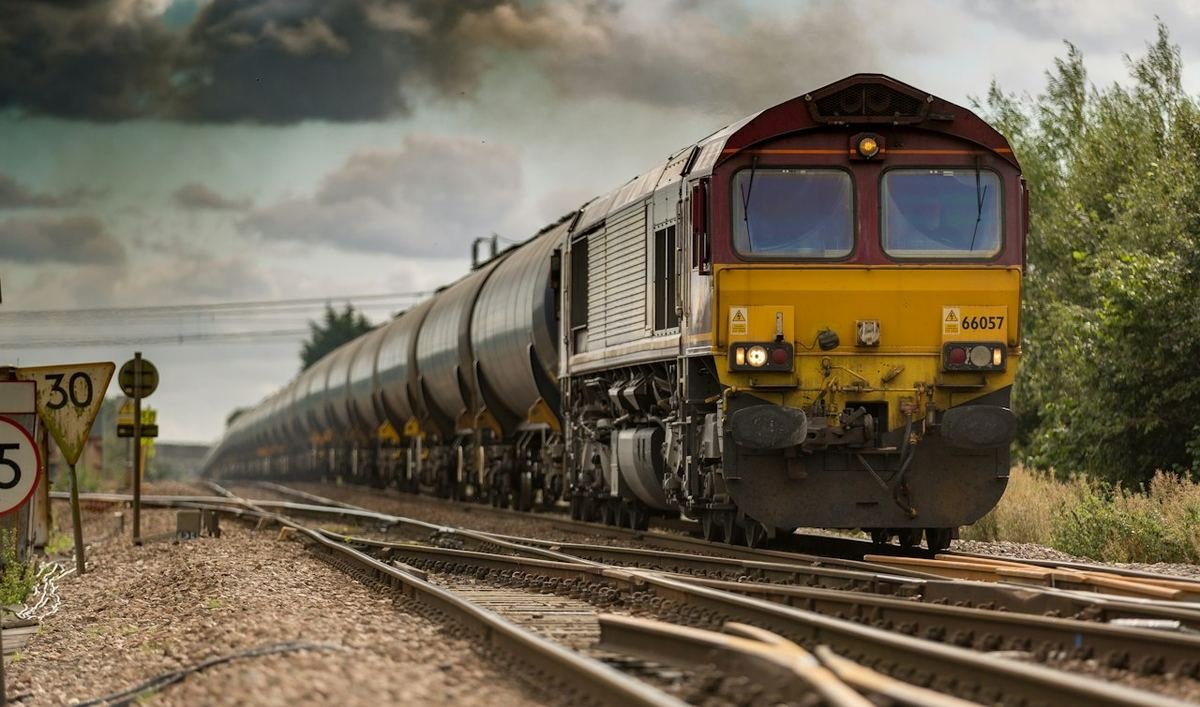
Intermodal rail, usually a truck leg to a terminal plus a rail leg across the Balkans or via ferry connections, sits between the two: cheaper than pure road on the right corridors, more predictable than sea, and with a lower emissions footprint that an increasing number of European customers ask about in audits.
The matching rules I apply
- Urgent replenishment, samples and launch stock go by road, speed pays for itself
- Heavy, dense or forgiving cargo with stable demand goes by sea, the saving per ton is too large to ignore
- Regular weekly volumes on established corridors are rail candidates, especially where customers track carbon numbers
- Mixed programs work best: a sea baseline for planned volume with a road lane kept open for exceptions
- Never move safety stock and emergency stock on the same mode, that is how one delay becomes a stockout
Costs that do not appear on the quote
Mode comparisons go wrong when they only compare freight rates. Sea adds port handling, terminal storage and the cost of three extra weeks of inventory sitting in transit. Road adds seasonal surcharges and the occasional border queue. Rail adds terminal handling on both ends and less schedule flexibility when a train is missed.
The honest comparison is landed cost per sellable unit including inventory carrying cost, not price per truck or per container. Run that number once per corridor and the right mix usually becomes obvious.